
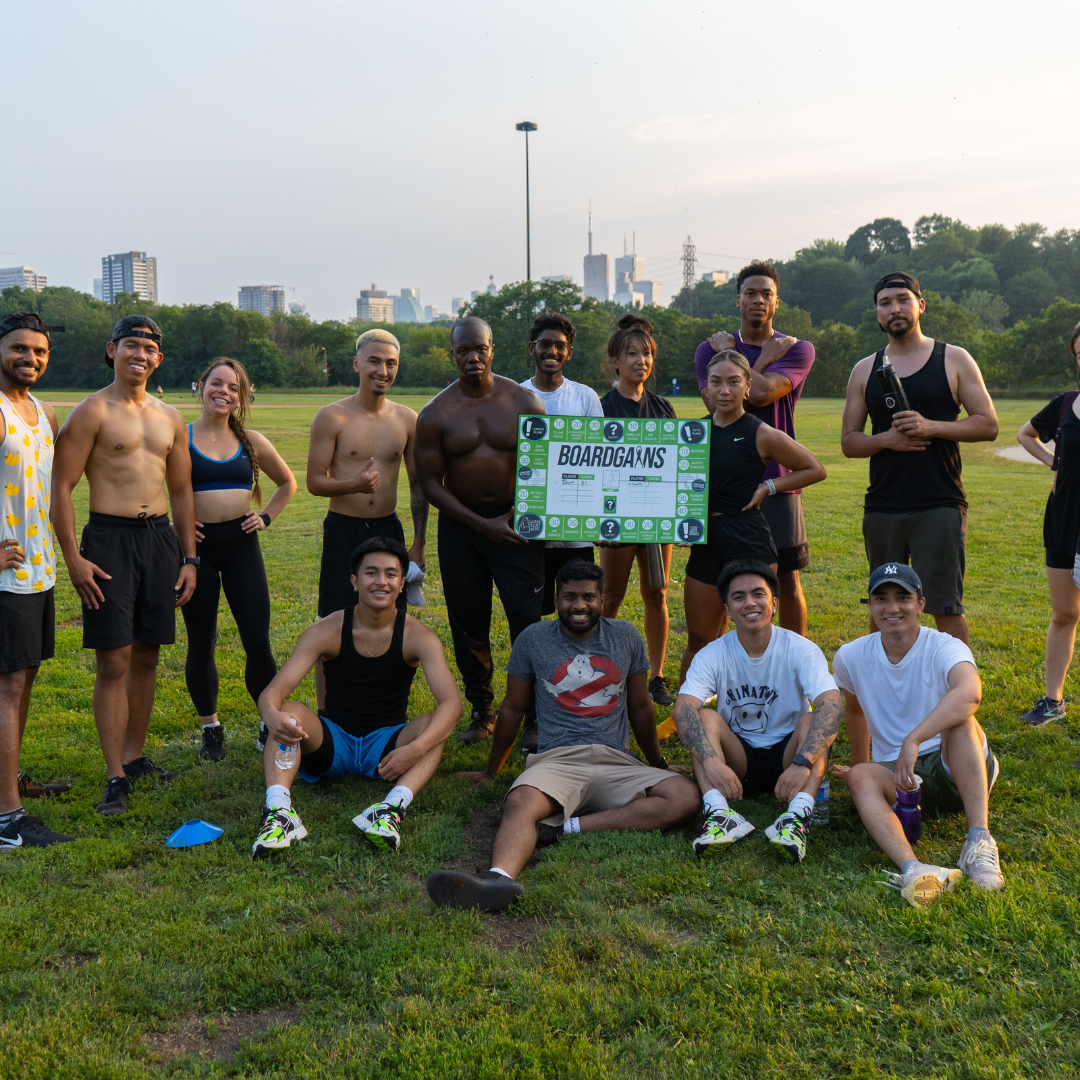
January can bring new faces and fresh motivation to a fitness class. The challenge is keeping that energy alive after the first few weeks.
A strong New Year group fitness challenge should be easy to understand, simple to track, and flexible enough for different fitness levels. It should also make people feel like they belong—not like they are being compared to the fittest person in the room.
These 12 challenge ideas give personal trainers, bootcamp coaches, and group fitness instructors practical ways to turn New Year motivation into a fun, social experience.
Need ready-to-use exercise ideas? Download the free BoardGains Exercise Guide.
Why New Year Fitness Challenges Lose Momentum
Many challenges start with excitement but become hard to maintain. Common problems include:
- Too many rules
- Complicated tracking
- Goals based only on weight loss
- The same workout every week
- Only the strongest participants can win
- No team or community element
The best challenge gives people more than a final score. It creates reasons to attend class, support teammates, notice progress, and come back for the rematch.
How to Choose the Right Challenge
Before choosing an idea, answer four questions:
- What behaviour are you building? Attendance, movement quality, teamwork, consistency, or performance?
- How long will it run? One class, one week, or a full month?
- How will progress be tracked? Gains, completed sessions, points, reps, time, or team participation?
- How can every fitness level contribute? Offer movement choices, shared team reps, or effort-based scoring.
Keep the answer simple enough to explain in under two minutes.
12 New Year Group Fitness Challenge Ideas
1. The 3-Gain New Year Kickoff
Duration: One class
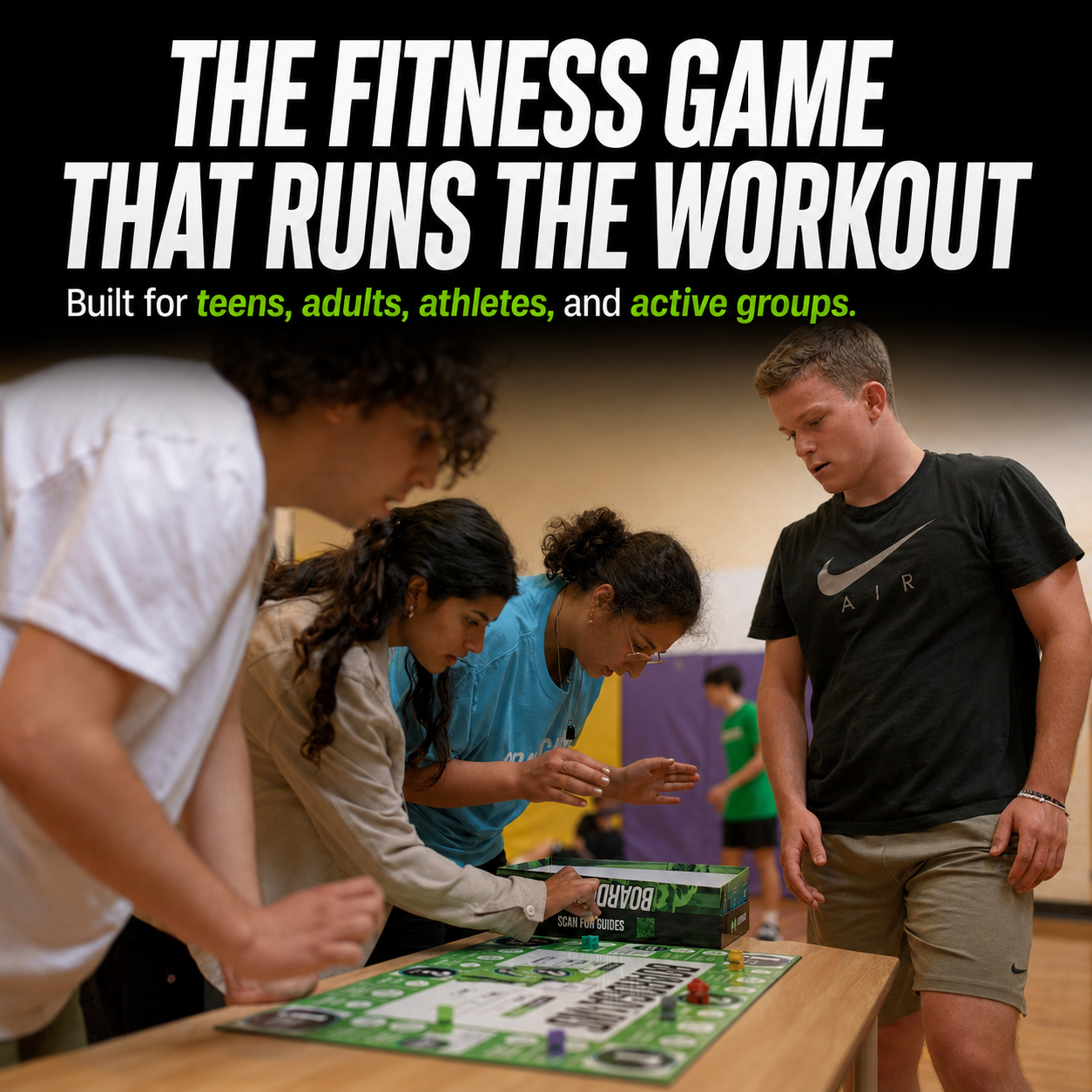
Start the year with a fast BoardGains team game. Divide the room into three to six teams and make the first team to complete 3 Gains the winner. One full lap around the board equals 1 Gain.
This is a strong first challenge because it is easy to explain, takes about 10–15 minutes, and gives new members a low-pressure way to meet the group.
Make it inclusive: Let teams share reps and provide low-impact exercise options.
2. The Four-Week Attendance Streak
Duration: Four weeks
Give one point for every class attended. Add a small bonus point when a participant brings a friend, tries a new class format, or supports a teammate.
Reward consistency instead of perfection. A member should still feel successful if they miss one class and return the next week.
Track: Classes completed, not calories burned.
3. Team Gains Leaderboard
Duration: Two to four weeks
Keep the same teams for several classes. Record how many BoardGains laps each team completes during the challenge portion of the workout.
Change the Gains goal or game mode each week so the challenge stays fresh. The leaderboard creates friendly competition, while shared reps help every member contribute.
Scoring option: Add one teamwork point when every member completes a safe movement option.
4. AMGAP Progress Challenge
Duration: Three sessions
AMGAP means “As Many Gains As Possible.” Set a 10-, 15-, or 20-minute timer and count how many Gains each team earns.
Repeat the same time cap later in the month. Teams can try to match or beat their own score instead of competing only against another group.
Coach focus: Movement quality still counts. Faster is not better if form breaks down.
5. Superset Spotlight Challenge
Duration: One challenge per week
Choose one movement for the class to complete after every BoardGains roll. Use squats in Week 1, push-ups in Week 2, a plank in Week 3, and reverse lunges in Week 4.
This gives each session a clear training focus while the board keeps the rest of the workout unpredictable.
Modification: Give every superset exercise an easy, standard, and advanced option.
6. BoardGains Relay Challenge
Duration: One class
Add a short relay after each team completes its board exercise. Use a shuttle run, farmer carry, rowing distance, sled push, or another movement that fits your space.
Rotate the relay athlete so everyone gets a turn. The rest of the team can recover, encourage, or prepare for the next roll.
Small-space option: Use marching high knees or a bodyweight movement instead of running.
7. Around-the-Board Movement Challenge
Duration: One or two classes
Instead of rolling, move through the BoardGains exercises in order around the board. Complete each exercise once and record the total time.
Repeat the challenge later with better movement quality, smoother transitions, or fewer breaks. This works well as a movement review.
Better goal: Improve control and teamwork—not only speed.
8. Partner Accountability Challenge
Duration: Four weeks
Pair participants and give them one simple job: check in before class, encourage each other during the workout, and celebrate each completed week.
Partners can track attendance, Gains earned, or one personal movement goal. Avoid making one person responsible for the other person’s results.
Win condition: Both partners finish the month feeling supported.
9. The 10-Minute Bodyweight Streak
Duration: Three to four weeks
Finish each class with a 10-minute bodyweight challenge. Rotate formats such as BoardGains Time Mode, a short circuit, partner intervals, or a team rep target.
Keep the time the same but change the movement choices. Participants build consistency without repeating one workout every day.
For more options, explore these bodyweight group fitness games for all fitness levels.
10. Fitness Benchmark and Rematch
Duration: Test in Week 1 and repeat in Week 4
Choose three to five simple tests, such as controlled squats, an incline push-up, a plank hold, or invisible jump rope. Record a safe starting score and repeat the same tests at the end of the month.
Members compare their own results. They do not need to post body weight, body measurements, or scores publicly.
Celebrate: Better form, more confidence, longer effort, or improved consistency.
11. Switch-the-Teams Challenge
Duration: Two or more rounds
Play one BoardGains round, switch the teams, and bring back the rematch. New team combinations help members meet each other and stop one team from controlling the whole session.
Change the Captain and Co-Captain in every round so more participants get a leadership role.
Community goal: Learn the name of at least one new teammate.
12. The New Year Community Finale
Duration: Final class of the challenge
Finish the month with a team workout that brings back the group’s favourite challenge. Add music, team names, photos, or small prizes for attendance, encouragement, consistency, and most improved movement.
Give more than one type of recognition. The fastest team should not be the only group that can win.
Final question: Ask members which challenge they want to play again next month.
Want more ways to change the exercises? Get the free BoardGains Exercise Guide.
A Ready-to-Run Four-Week New Year Plan
Week 1: Start together
- Introduce the challenge and simple tracking system
- Complete a short personal benchmark
- Run the 3-Gain New Year Kickoff
- Create teams and assign Captains
Week 2: Build consistency
- Continue the attendance streak
- Run Superset Mode with one movement focus
- Award a teamwork point for full participation
- Ask members which modifications work best
Week 3: Add variety
- Run a 15-minute AMGAP challenge
- Use a relay or partner format in another class
- Switch teams so members meet new people
- Recognize encouragement and effort
Week 4: Rematch and celebrate
- Repeat the personal benchmark
- Let teams try to beat their own AMGAP score
- Run the Community Finale
- Celebrate attendance, teamwork, progress, and leadership
60-Minute Group Fitness Class Format
- 0–10 minutes: Dynamic warm-up and movement review
- 10–15 minutes: Explain the challenge, teams, and scoring
- 15–45 minutes: Main challenge or BoardGains gameplay
- 45–50 minutes: Bonus round or rematch
- 50–60 minutes: Cooldown, scores, and group recognition
For a 30-minute class, use a 3-Gain goal or a 10-minute AMGAP. For a longer session, play multiple rounds and switch the teams.
Review the full game rules on the How to Play BoardGains page.
How to Track Progress Without Making It Complicated
Use one whiteboard, poster, or shared sheet. Track only the numbers connected to the challenge:
- Classes attended
- Gains completed
- Personal benchmark results
- Team participation points
- Challenge sessions completed
Do not collect information you do not need. Most group challenges work better when members can understand the scoreboard at a glance.
How to Include Every Fitness Level
- Offer low-impact and advanced exercise options
- Let teams share repetitions
- Use effort or time instead of fixed reps when needed
- Reward attendance, teamwork, and improvement
- Avoid public weigh-ins or body comparisons
- Give participants permission to rest or change an exercise
The goal is to create one challenge with several ways to succeed.
Simple Rewards That Build Community
Prizes do not need to be expensive. Try:
- Choose the next team name
- Pick the next Superset Mode exercise
- Lead the warm-up
- Bring a friend to class
- Receive a free class or guest pass
- Earn recognition for consistency or encouragement
Choose rewards that bring people back into the group instead of ending the experience at the prize table.
Frequently Asked Questions
How long should a New Year fitness challenge last?
Two to four weeks is long enough to build momentum without making the finish feel too far away. You can also use one-class challenges inside the larger plan.
Should a challenge focus on weight loss?
It does not have to. Attendance, strength, endurance, movement quality, teamwork, and consistency are easier to include and often create a better group experience.
How do I keep members engaged after January?
Switch the teams, change the Gains goal, use a new game mode, and bring back the rematch. Ask members which challenge they want to repeat.
Can beginners and advanced members join the same challenge?
Yes. Use movement options, shared team reps, effort-based scoring, and personal benchmarks so each member has a fair way to contribute.
Start Your New Year Challenge
A successful fitness challenge does not need complicated apps, strict diets, or daily weigh-ins. Give the group a clear goal, several ways to contribute, and a reason to return for the next round.
Explore more group fitness class ideas or try these 15 fitness games for groups, bootcamps, and teams.
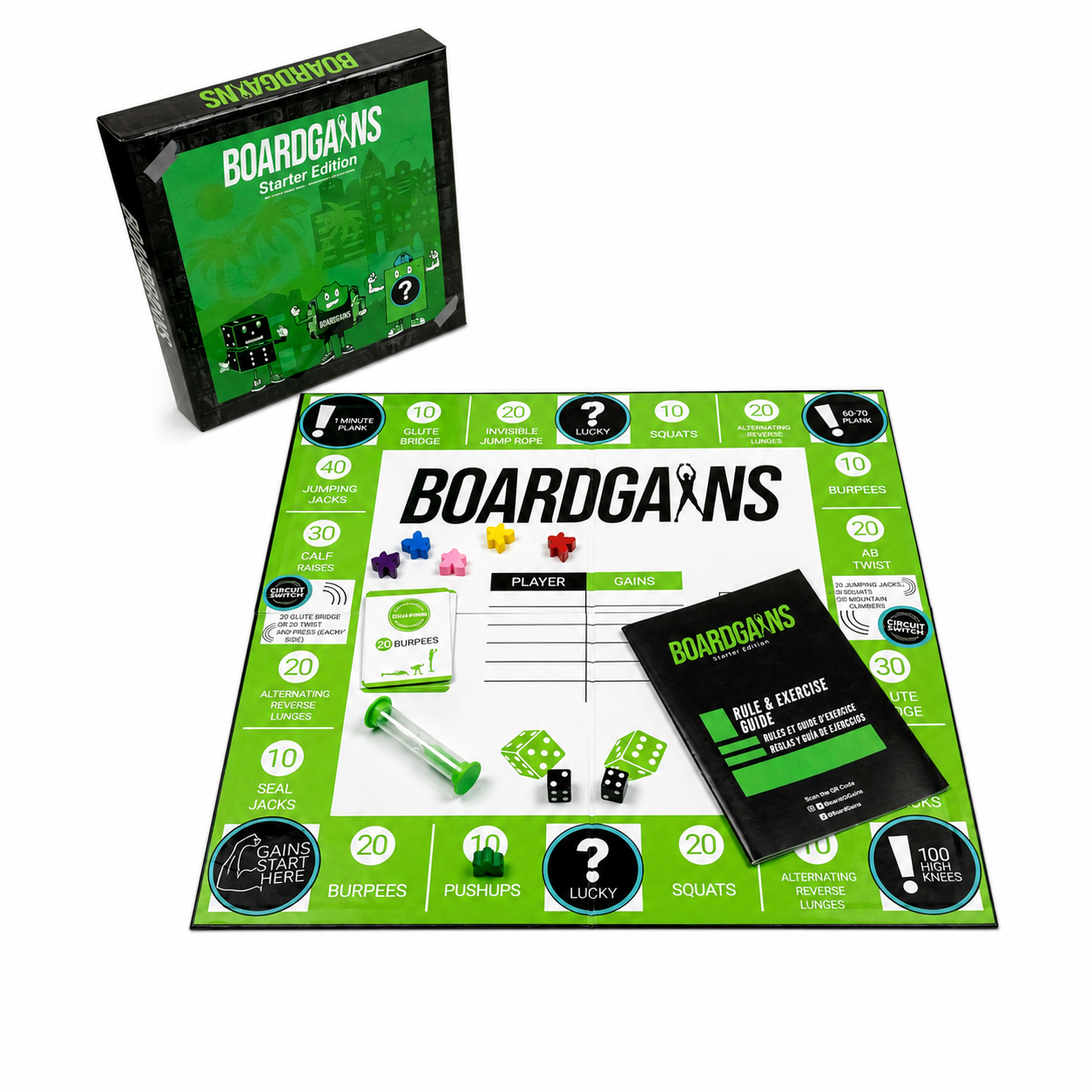
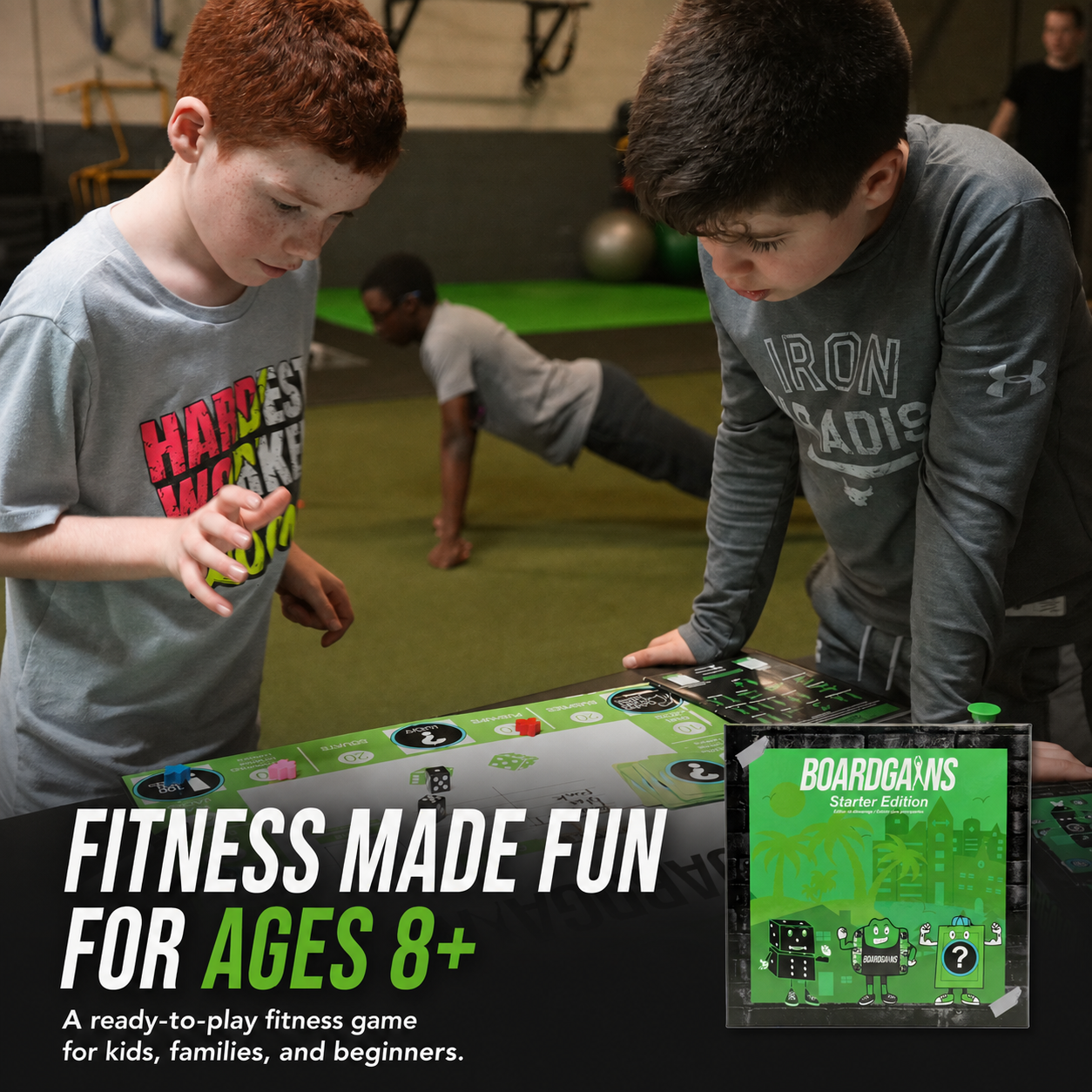
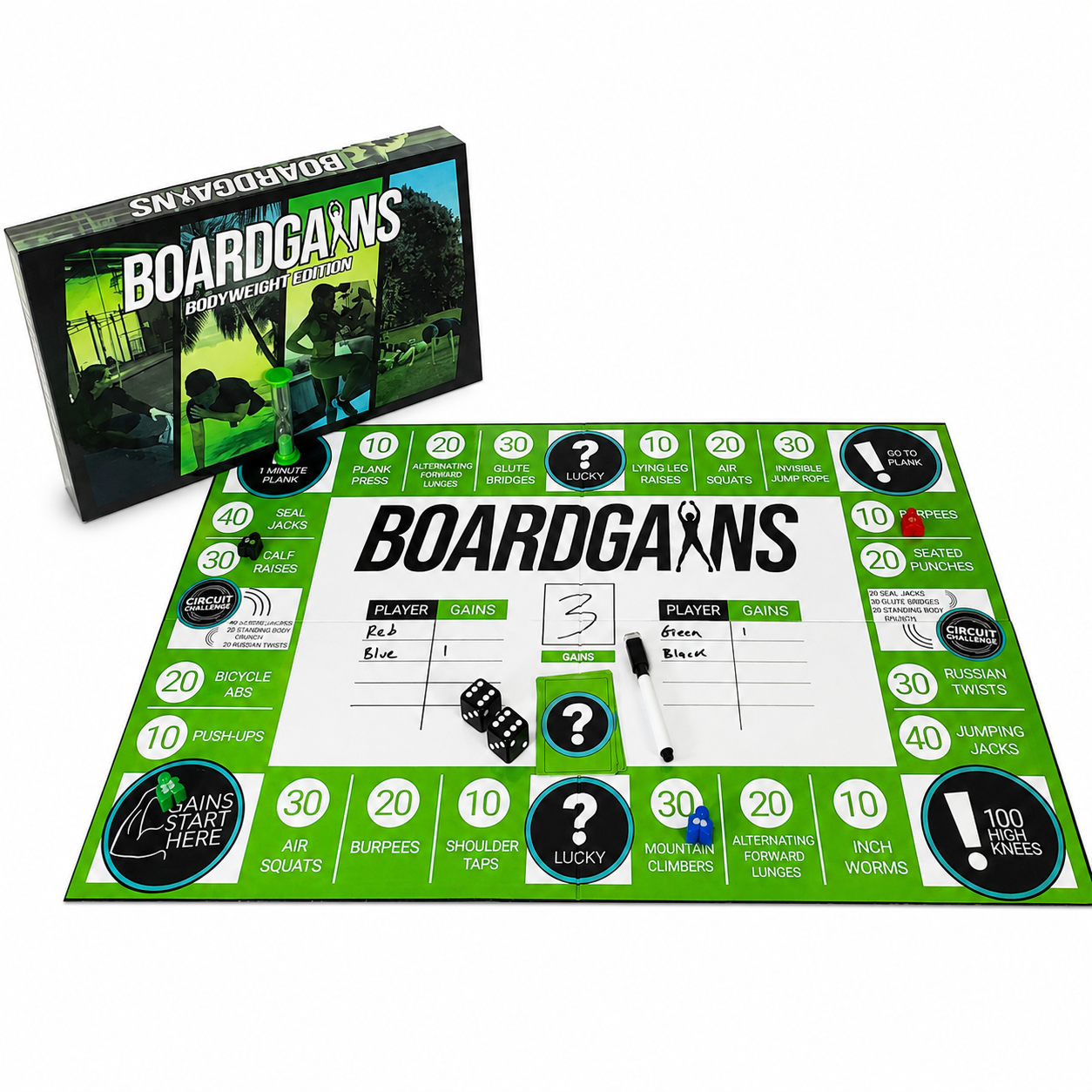
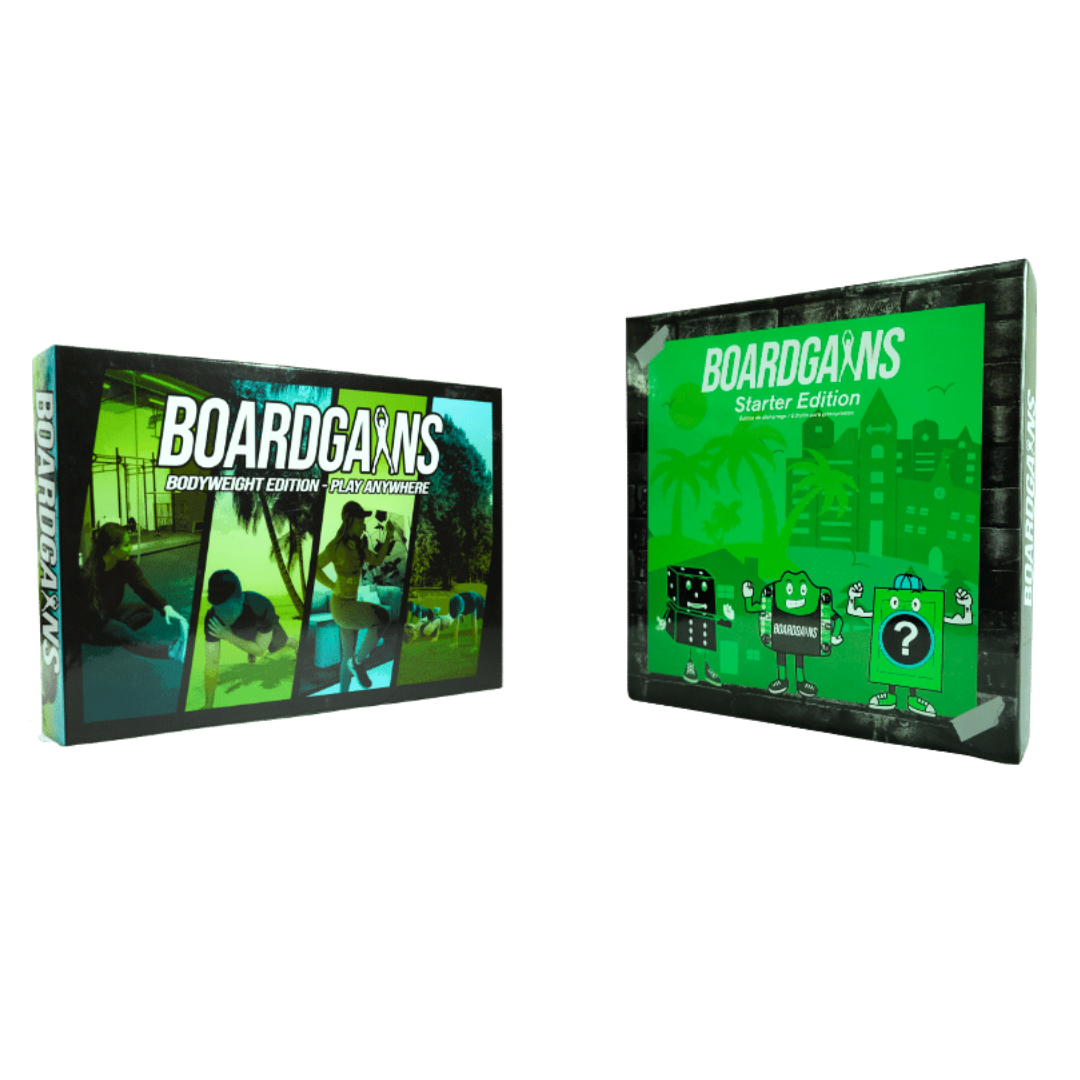
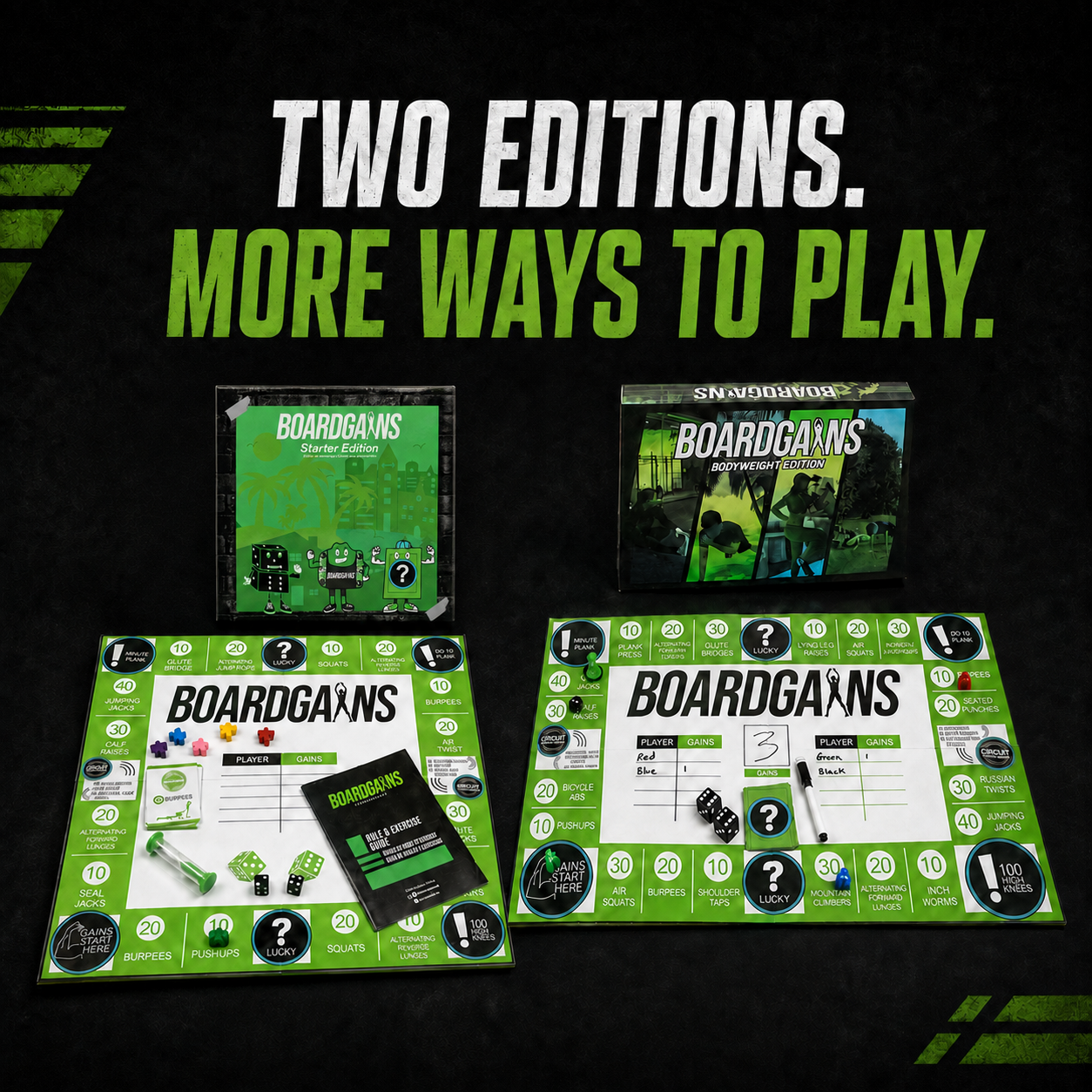
Get the BoardGains Fitness Board Game and turn your next group challenge into play.
Then download the free BoardGains Exercise Guide to plan movement options for every fitness level.

Leave a comment
This site is protected by hCaptcha and the hCaptcha Privacy Policy and Terms of Service apply.