
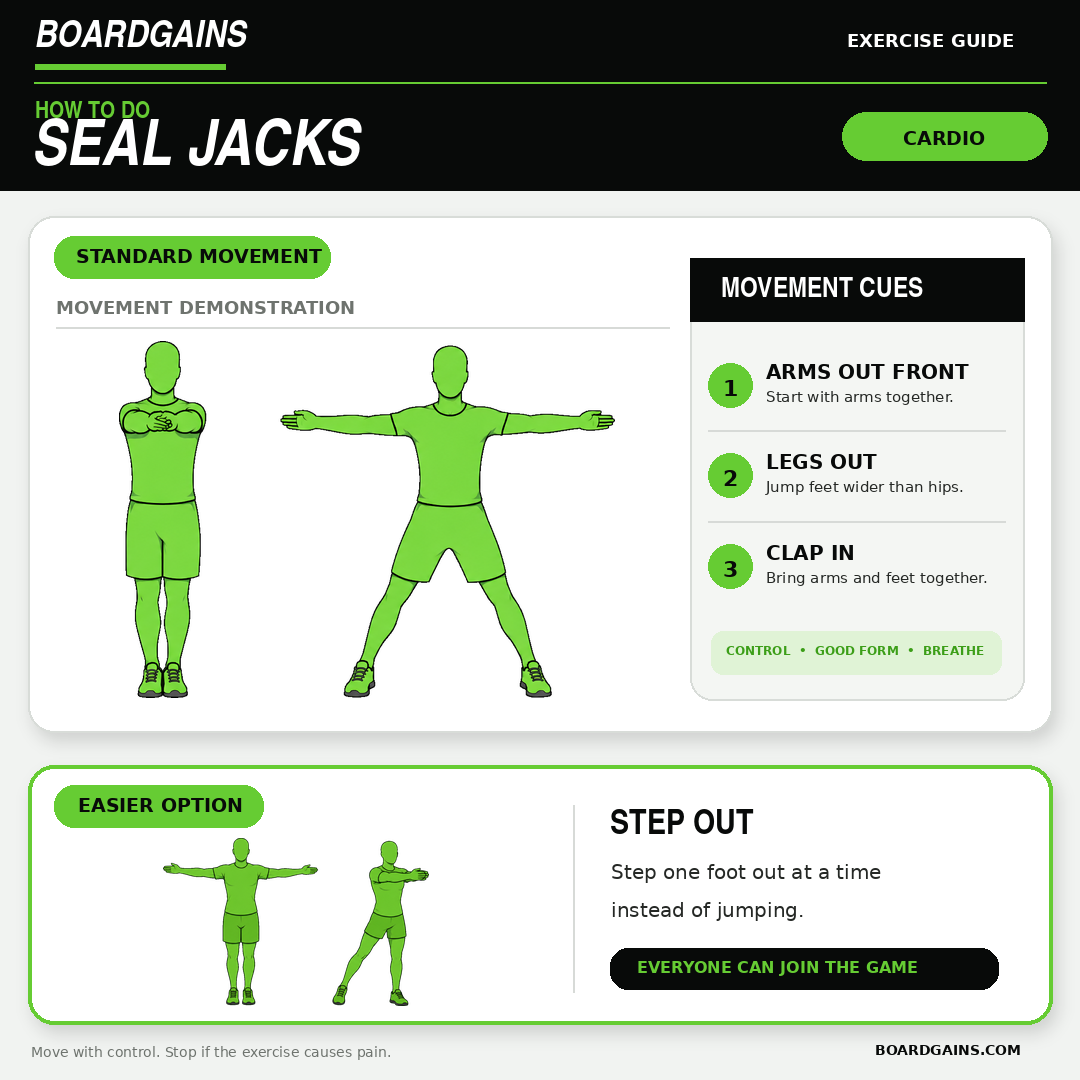
Seal jacks are a jumping-jack variation that pairs side-to-side foot jumps with arms that open wide and close in front of your chest.
Unlike a standard jumping jack, your arms stay close to shoulder height instead of travelling overhead. The opening and closing motion resembles a seal moving its flippers, which gives the exercise its name.
Seal jacks can raise your heart rate while challenging rhythm, coordination and lower-body endurance. They require no equipment and can be modified by stepping one foot at a time.
This guide explains how to perform seal jacks with proper form, count repetitions and use a low-impact seal step when jumping is not the right option.
Written by Eric Mathura, B.Sc. Kinesiology and CSEP-CPT, with more than 10 years of experience as a personal trainer and group fitness instructor. Updated August 19, 2026.
Quick answer:
Stand with your feet together and arms extended in front at shoulder height. Jump your feet apart while opening your arms into a wide T. Jump your feet together while bringing your hands back toward each other. Land softly and keep your knees slightly bent. One complete open-and-close cycle equals one repetition.
Quick exercise overview
- Exercise: Seal jacks
- Also called: Seal jumping jacks or seal claps
- Level: Beginner to intermediate
- Equipment: None
- Main muscles: Calves, quadriceps and glutes
- Also works: Hip muscles, shoulders, chest, upper back and core
- Rep count: One complete open-and-close cycle equals one rep
Watch: How to Do Seal Jacks
Table of Contents
- What Are Seal Jacks?
- How to Do Seal Jacks
- How to Count Repetitions
- Arm Position, Foot Width and Landing
- Muscles Worked
- Benefits
- Low-Impact Seal-Step Modification
- Variations
- Common Mistakes
- Group Coaching Tips
- Seal Jacks in BoardGains
- Frequently Asked Questions
What Are Seal Jacks?
Seal jacks use the same basic foot pattern as jumping jacks: the feet move from together to apart and back together. The difference is the arm path.
During a standard jumping jack, the arms usually travel from the sides of the body to overhead. During a seal jack, the arms remain around chest or shoulder height and move horizontally:
- Feet apart as the arms open to the sides.
- Feet together as the arms close in front of the chest.
Seal jacks do not include a push-up, plank or floor position. They are a standing cardio and coordination exercise.
How to Do Seal Jacks With Proper Form
- Stand tall with your feet together or close together.
- Keep your knees slightly bent rather than locked.
- Extend your arms in front of your chest at about shoulder height.
- Face your palms toward each other and keep your elbows softly bent.
- Brace your core and look forward.
- Use a small jump to move your feet out to approximately shoulder-width or slightly wider.
- At the same time, open your arms out to the sides into a wide T shape.
- Land softly with your knees tracking in the same direction as your toes.
- Jump your feet back together.
- At the same time, bring your arms forward until your hands meet or come close together.
- Continue in a smooth open-and-close rhythm.
You can lightly clap your hands in front, but a loud or forceful clap is not required.
Movement cue: Jump open, arms wide. Jump together, hands meet. Land softly.
How to Count Seal-Jack Repetitions
One complete open-and-close cycle counts as one repetition.
- Begin with your feet together and arms in front.
- Jump your feet apart while opening your arms.
- Jump your feet together while closing your arms.
- Count one rep when you return to the starting position.
The open position alone is only half a repetition. During BoardGains, continue until you complete the total number shown on the board.
For the low-impact step version, one step out and return to centre equals one rep. Alternate the stepping leg so both sides receive a similar number.
Seal-Jack Form Tips
How High Should Your Arms Be?
Keep your arms around chest or shoulder height. They do not need to travel overhead.
If shoulder height is uncomfortable, lower the arms and use a smaller opening. Move only through a pain-free range.
Should Your Elbows Be Straight?
Keep your arms long with a slight natural bend in the elbows. Avoid forcefully locking the joints or swinging the arms with no control.
Lead the opening from your shoulders and allow the shoulder blades to move naturally around your rib cage.
How Wide Should Your Feet Land?
Land approximately shoulder-width or slightly wider. You do not need to force an extreme stance.
Keep your toes mostly forward and your knees tracking in the same direction. Reduce the width if your knees collapse inward or you cannot land quietly.
How Should You Land?
Land through the front or middle of each foot and allow the heels to lower naturally. Keep a small bend in your ankles, knees and hips so the landing is quiet and controlled.
If each landing is loud or stiff, reduce the speed and jump width or switch to the step modification.
What Should Your Torso Do?
Stay tall with your ribs and pelvis controlled. Avoid leaning backward when your arms close or folding forward when your feet open.
Brace gently without holding your breath. Your torso should remain steady while your arms and legs move.
How Should You Breathe?
Use a regular breathing rhythm. You can inhale as you open and exhale as your feet and hands return together.
At a faster pace, focus on continuous breathing instead of trying to match every repetition exactly.
What Muscles Do Seal Jacks Work?
Calves
The calf muscles help push your feet away from the floor and control each landing.
Quadriceps
Your quadriceps help extend the knees during the jump and support the soft bend used during landing.
Glutes and Hip Muscles
The glutes and muscles around the hips help move the legs apart and back together while supporting knee and pelvic control.
Shoulders
The shoulder muscles raise and move your arms horizontally between the open and closed positions.
Chest and Upper Back
The chest assists as the arms close in front. Muscles across the upper back help control the opening motion.
Core Muscles
Your core helps keep your torso steady while your arms and legs move quickly.
Seal jacks use muscles throughout the body, but they are mainly a rhythmic cardio and muscular-endurance movement—not a replacement for heavier strength training.
Benefits of Seal Jacks
Can Raise Your Heart Rate
Continuous seal jacks can increase breathing and heart rate. The intensity depends on your pace, jump height, duration and current fitness level.
Challenges Coordination
Your arms and legs must open and close together. This creates a clear timing and rhythm challenge.
Adds Chest-Height Arm Movement
The horizontal arm pattern adds movement through the shoulders, chest and upper back without requiring the arms to travel overhead.
Builds Lower-Body Endurance
The calves, thighs and hips work repeatedly to move and control the feet.
Requires No Equipment
Seal jacks need only enough space to open your arms and feet safely.
Easy to Modify
Participants can step instead of jump, shorten the arm range, reduce the foot width or slow the tempo.
Works Well in Group Circuits
Everyone can move at the same time, making seal jacks practical for PE classes, bootcamps, team workouts and fitness games.
Seal jacks can add activity to a complete exercise program, but one movement alone cannot guarantee calorie burn, weight loss, improved agility or protection from injury.
Low-Impact Seal-Step Modification
The seal step removes the jump and keeps one foot on the floor, reducing impact and slowing the coordination pattern.
- Stand with your feet together and arms extended in front.
- Step your right foot out to the side.
- Open your arms wide at chest height.
- Step your right foot back to centre.
- Bring your hands together in front.
- Step your left foot out while opening your arms.
- Return the left foot and close your arms.
- Continue alternating sides.
Each step out and return equals one modified repetition. Keep your steps short enough that your knees and toes stay aligned.
Modification cue:
Step right and open. Return and close. Step left and open. Keep one foot grounded.
Seal-Jack Variations
Slow Seal Jacks
Pause briefly in the open and closed positions. A slower tempo makes the arm-and-leg timing easier to learn.
Small-Range Seal Jacks
Use a narrower foot landing and shorter arm opening. This can reduce the movement demand while keeping the same pattern.
Speed Seal Jacks
Increase the pace while maintaining soft landings and coordinated arms. Add speed only when every repetition remains controlled.
Cross Seal Jacks
As your feet return, cross one foot lightly in front of the other and cross your arms in front of your chest. Alternate the crossing leg and arm each rep. This adds coordination and should be learned slowly.
Squat Seal Jacks
Land in a shallow wide squat as your arms open, then return to standing as your feet and hands come together. Keep your knees tracking with your toes.
Travelling Seal Jacks
Move slightly forward, backward or sideways with each repetition. Use this variation only when the group has enough open space and can maintain spacing.
Banded Seal Steps
Place a light loop band above your knees and use the low-impact step pattern. This changes the exercise into a more controlled hip-strengthening variation rather than a fast cardio jack.
Common Seal-Jack Mistakes
1. Moving the Arms Overhead
The problem: The exercise turns into a standard jumping jack.
The fix: Keep your arms around chest or shoulder height and open them horizontally.
2. Opening the Arms and Legs Out of Sync
The problem: The hands close while the feet open or the rhythm changes every rep.
The fix: Slow down and use the pattern “open together, close together.”
3. Landing Too Hard
The problem: Your feet hit the floor loudly and your legs remain stiff.
The fix: Reduce the jump width and bend your ankles, knees and hips slightly as you land.
4. Letting the Knees Collapse Inward
The problem: Your knees move inward as the feet land apart.
The fix: Keep your knees following your toes and use a narrower landing or seal-step modification.
5. Forcing a Wide Arm Range
The problem: Your shoulders feel pinched or your ribs flare as you pull the arms far back.
The fix: Stop the arms in a comfortable T position and shorten the range if needed.
6. Shrugging the Shoulders
The problem: Your shoulders lift toward your ears and your neck becomes tense.
The fix: Relax your neck, lower your arm position slightly and reduce speed.
7. Leaning Backward
The problem: Your ribs flare and your torso leans as your arms close.
The fix: Stay tall, brace gently and bring your hands together without forcing the reach.
8. Holding Your Breath
The problem: Breathing stops as the pace increases.
The fix: Slow down and use a steady inhale-and-exhale rhythm.
9. Continuing After Landings Lose Control
The problem: Fatigue creates louder landings and poor knee alignment.
The fix: Switch to seal steps or stop the set.
How Many Seal Jacks Should You Do?
The right amount depends on your pace, experience and total workout.
- Learning the pattern: 2 sets of 8 to 10 slow reps
- General fitness: 2 to 3 sets of 10 to 20 reps
- Timed circuit: 15 to 40 seconds
- Dynamic warm-up: 10 to 15 controlled reps after beginning with gentler movement
- BoardGains: Complete the number shown on the board
Stop or switch to seal steps when your landings become loud, your knees lose alignment or your arm timing breaks down.
How to Teach Seal Jacks in a Group
- Give every participant enough room to open both arms fully.
- Check that the floor is dry, level and clear.
- Teach the arm pattern without the feet first.
- Add slow step-outs before introducing the jump.
- Explain that arms stay at chest height instead of moving overhead.
- Show the full seal jack and the low-impact seal step.
- Confirm that one open-and-close cycle equals one rep.
- Use the cue “quiet feet” when landings become heavy.
- Allow each participant to choose a controlled pace.
Coach it in four cues:
Arms at chest height. Open together. Close together. Land softly.
Seal Jacks in BoardGains
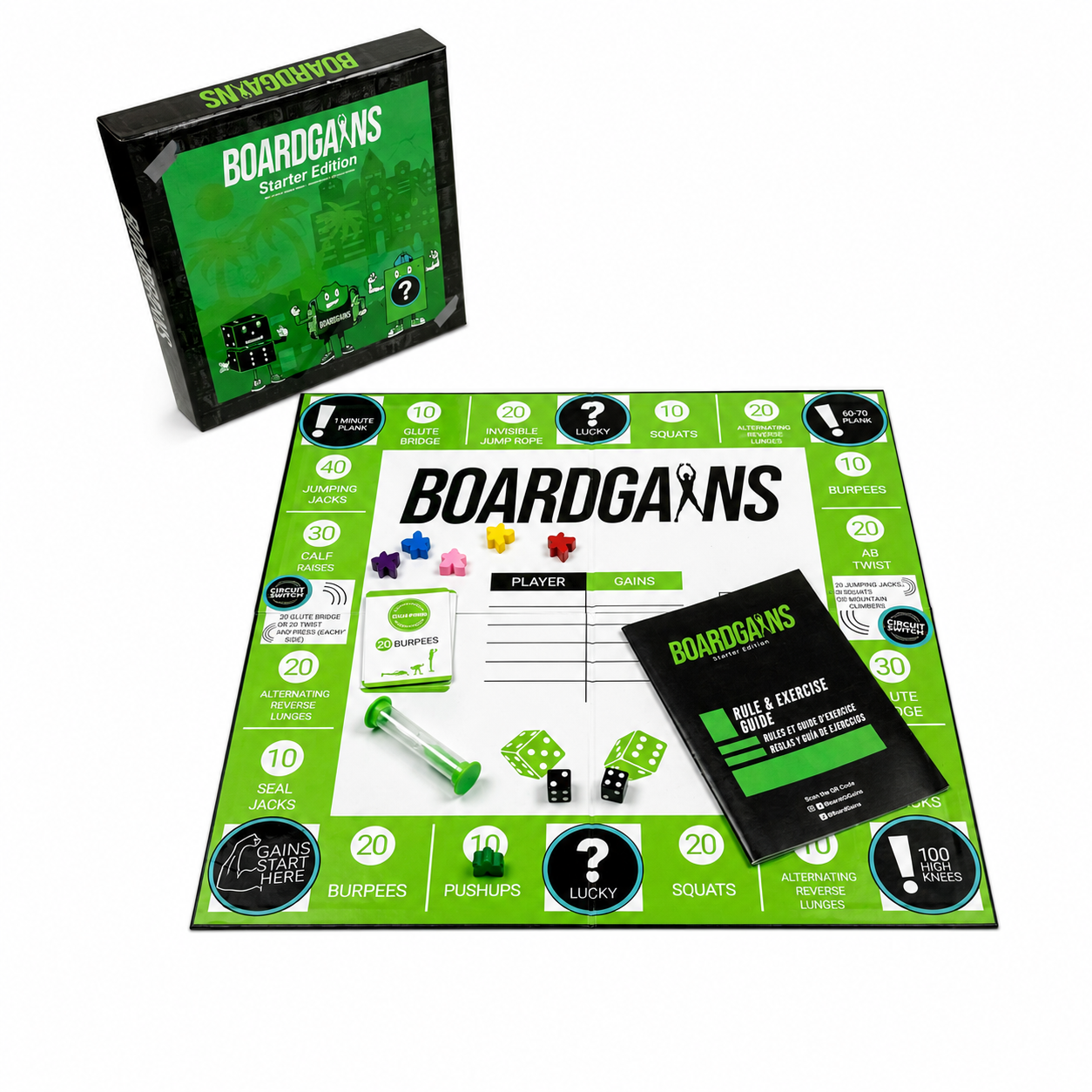
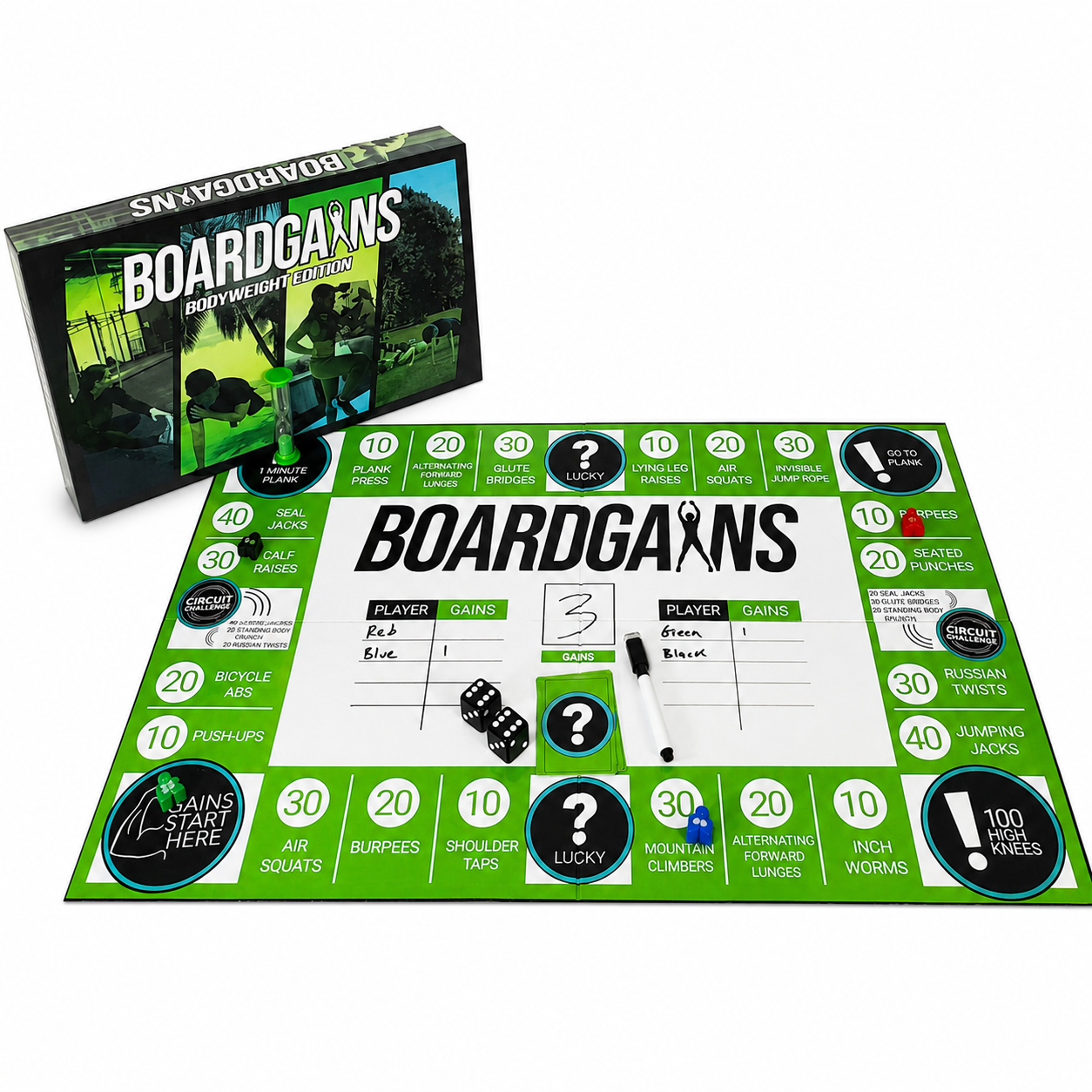
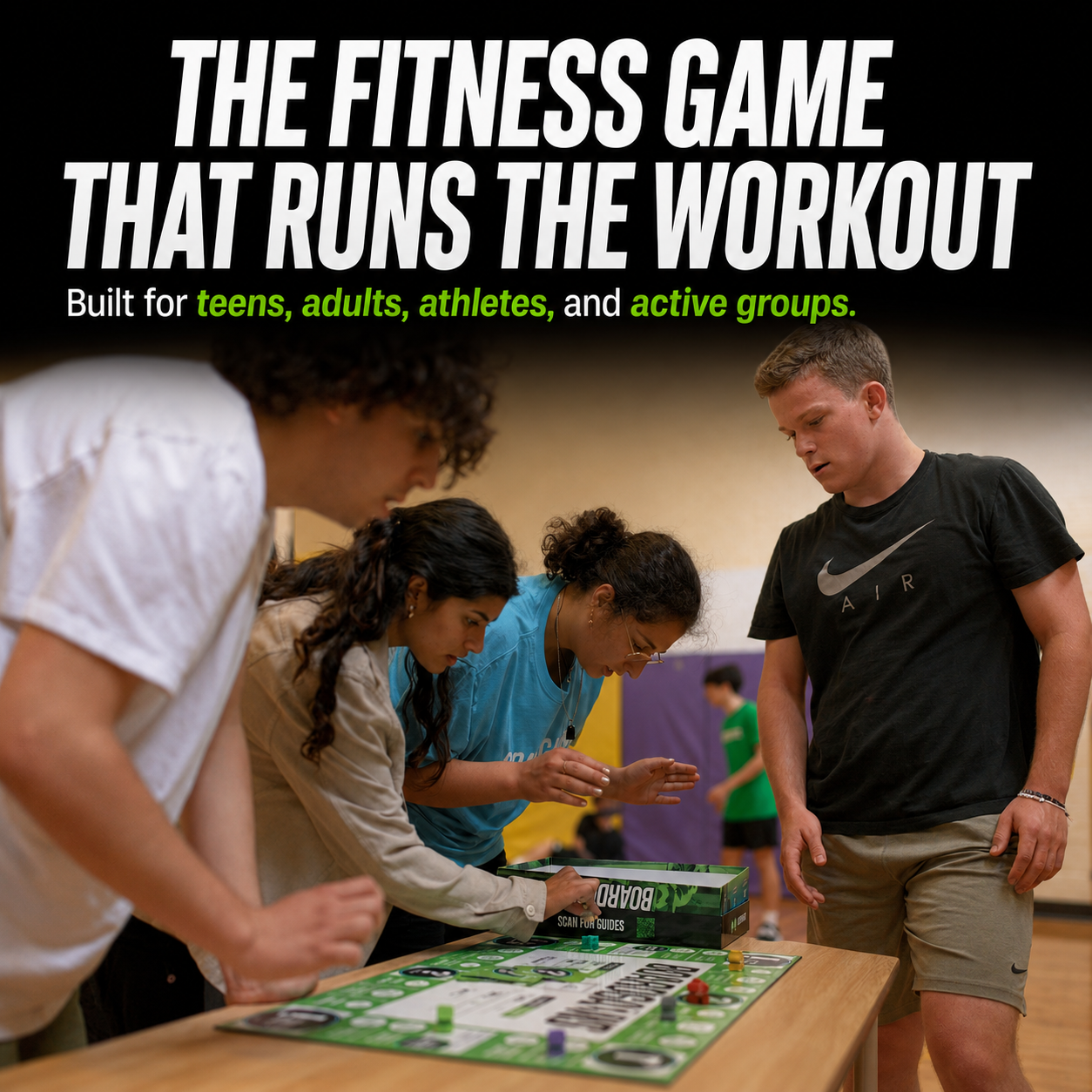
Seal jacks are one of the 20 bodyweight exercises included in the BoardGains Pro game. They add a standing cardio and coordination challenge with a different arm pattern from regular jumping jacks.
When a player lands on seal jacks, one full open-and-close cycle equals one repetition. Players using the low-impact version count one step out and return as one rep.
Before gameplay, demonstrate the arm pattern and seal-step option. This helps players recognize the difference between seal jacks and standard jumping jacks while giving everyone an accessible way to keep moving.
Turn Your Workout Into a Game
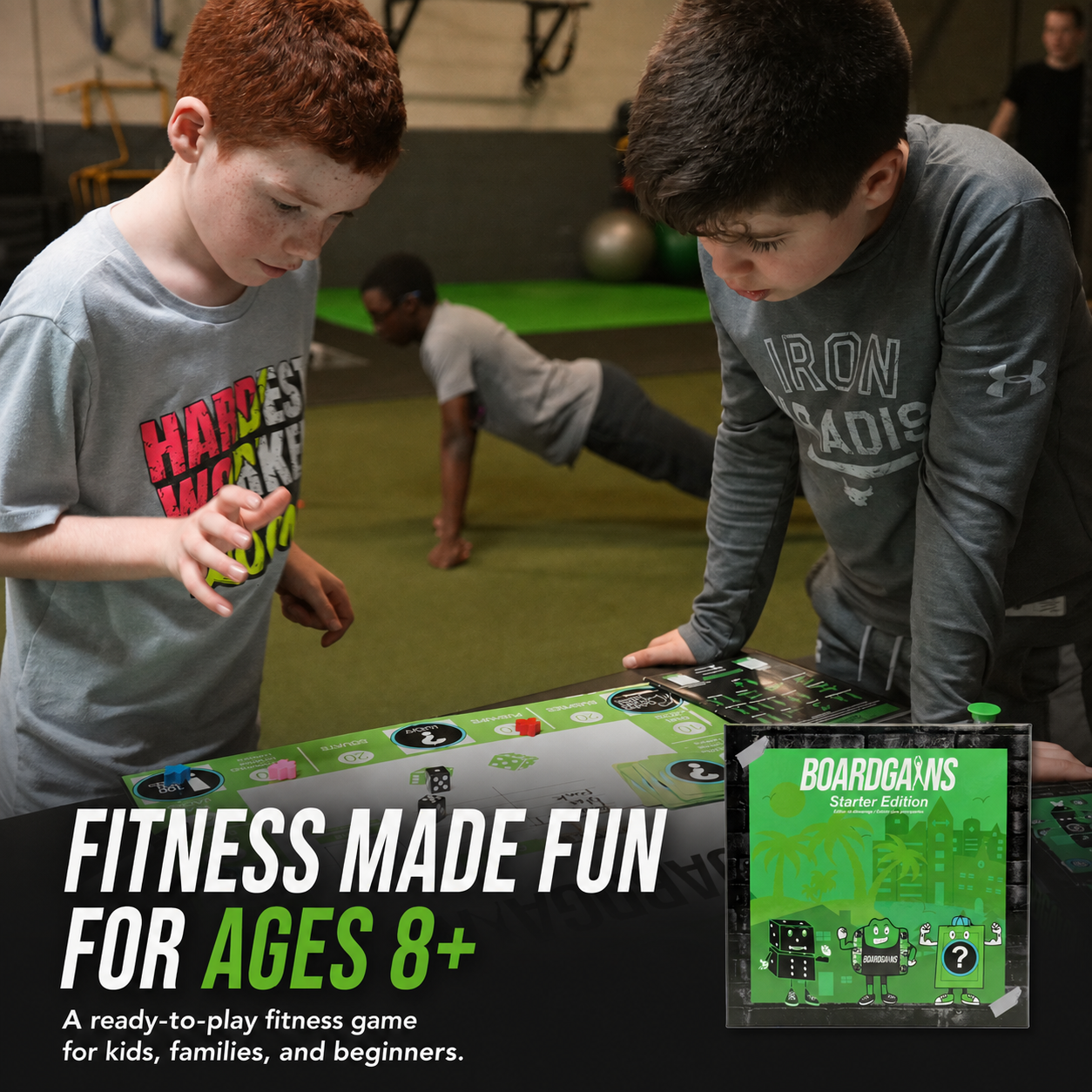
BoardGains combines bodyweight exercises, teamwork and friendly competition for trainers, PE teachers, families and fitness groups.
Seal-Jack FAQs
What is the difference between seal jacks and jumping jacks?
The foot pattern is similar. During standard jumping jacks, the arms usually travel overhead. During seal jacks, the arms open and close horizontally at chest or shoulder height.
Do seal jacks include a push-up?
No. Seal jacks are a standing jumping-jack variation. They do not include a plank, push-up or floor phase.
What counts as one seal-jack repetition?
Jump your feet apart while opening your arms, then jump your feet together while closing your arms. That complete open-and-close cycle equals one rep.
Are seal jacks good for beginners?
Beginners can learn the arm pattern slowly and use alternating step-outs instead of jumping. They can add a small jump after the timing feels comfortable.
Are seal jacks low impact?
The standard version includes repeated jumping and landing. The seal-step modification keeps one foot on the floor and is the lower-impact option.
Why are they called seal jacks?
The arms open and close in front of the body in a motion that resembles a seal moving or clapping its flippers.
How high should my arms be?
Keep them around chest or shoulder height. Lower the arms or shorten the range if that position is uncomfortable.
Why do my knees move inward?
You may be landing too wide, moving too fast or losing control as you fatigue. Narrow your stance, slow down or switch to seal steps.
Can seal jacks help with weight loss?
They can add activity and intensity to a workout, but no single exercise causes weight loss. Total activity, nutrition, sleep and consistency also matter.
Can I do seal jacks every day?
Daily practice is not required. Frequency depends on the number of reps, pace, impact and the rest of your training. Use a lower-impact option when your legs or joints need less jumping.
Can I use seal jacks as a warm-up?
Yes, after beginning with gentler movement. Start slowly and increase the pace gradually. Seal jacks are not an ideal cool-down because jumping can keep your heart rate elevated.
What if jumping causes pain?
Stop jumping and try the step version only if it is comfortable. Ongoing pain should be assessed by a qualified health professional.
Final Form Checklist
- Feet begin together or close together
- Arms begin in front at chest height
- Feet and arms open at the same time
- Arms stay around shoulder height
- Knees follow the direction of the toes
- Landings stay soft and quiet
- Feet and hands return together
- One open-and-close cycle counted as one rep
Strong seal jacks are rhythmic, not rushed. Keep the arms at chest height, open and close your limbs together and choose the jump or step version that lets you land with control.



Leave a comment
This site is protected by hCaptcha and the hCaptcha Privacy Policy and Terms of Service apply.