
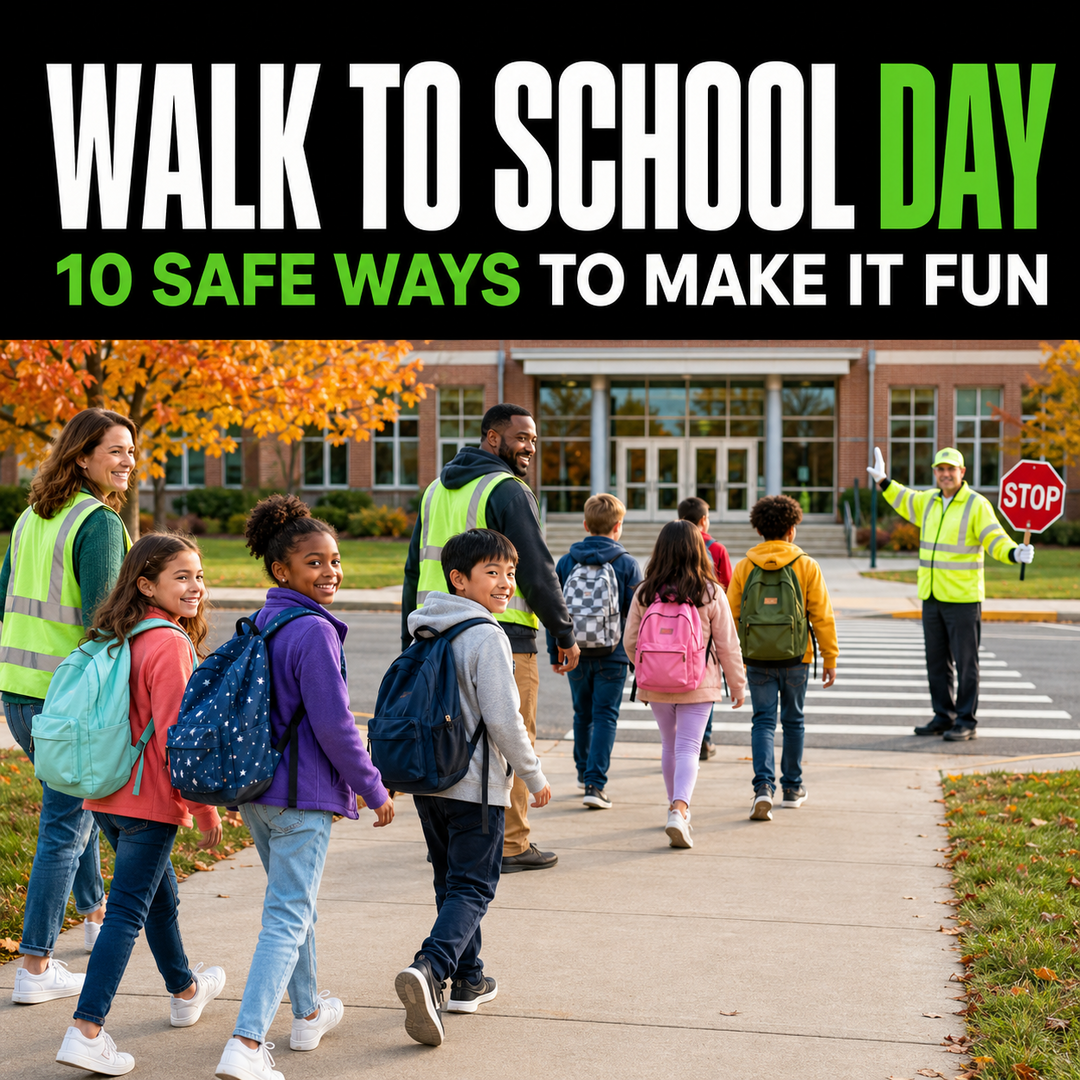
Walk & Roll to School Day can turn the morning trip into a fun community event—but safety must lead every game. Children should never race toward a crossing, look at a phone while walking, or complete an activity that pulls attention away from traffic.
The 10 ideas below add observation, teamwork, storytelling, and classroom celebration without changing the rules of the road. They can be used by families, schools, walking-school-bus leaders, and community volunteers.
2026 event date: National Walk & Roll to School Day is Wednesday, October 7, 2026. Plan the route and adult supervision before choosing any games.
Table of Contents
- Safety Comes Before the Game
- 10 Safe Ways to Make the Walk Fun
- Simple School Event Plan
- Inclusive Participation Ideas
- Frequently Asked Questions
Safety Comes Before the Game
The safest route may not be the shortest route. Choose sidewalks or paths separated from traffic, limit street crossings when possible, and use marked crossings with adult support.
- Walk the route in advance and identify crossings, driveways, construction, and other hazards.
- Follow the school's permission, supervision, emergency, and student-release procedures.
- Place adults at the front and back of each group and wherever the route requires more support.
- Review stop, look, listen, and crossing rules before leaving.
- Keep phones and headphones away.
- Use bright or reflective clothing when visibility is low.
- Walk—do not race—near streets, driveways, parking lots, and crossings.
- Pause every game when an adult gives instructions or the group approaches traffic.
- Change or cancel the event for unsafe weather, air quality, visibility, or route conditions.
Game rule: Traffic safety always wins. No points, clues, photos, steps, or challenges count while crossing a street.
10 Safe Ways to Gamify Walk & Roll to School Day
1. I-Spy Route Challenge
Give children a short list of objects they may notice without leaving the sidewalk: a red door, three kinds of leaves, a school sign, a bicycle, or a bird.
Safety rule: Children point or tell an adult what they see. They never step off the route or stop at a crossing to search.
2. Colour Hunt
Choose one colour before the walk. The group counts how many safe, stationary objects they notice in that colour. Change the colour after each block or safe route section.
Team option: Combine the group's total instead of making children compete individually.
3. Walking Story Builder
One person begins a story with one sentence. Each child adds one sentence when the group is walking on a calm section of sidewalk.
Safety rule: Pause the story near intersections, driveways, crowded areas, or whenever an adult needs the group's attention.
4. Quiet Sound Detective
For one safe block, the group walks quietly and notices sounds such as birds, wind, footsteps, or a school bell. At the next safe stopping point, everyone shares one sound.
This encourages attention to the surroundings without using a device.
5. Landmark Question Cards
Adults prepare simple questions for known landmarks: “What shape is the library sign?” or “How many trees are beside the park?”
Safety rule: Adults ask questions only after confirming the group is on a protected walking section.
6. Walking School Bus Team Names
Each supervised walking group chooses a fun team name, colour, or safe chant. Examples include the Green Gains Crew, Sidewalk Superstars, or Morning Movers.
Team identity creates excitement without asking groups to race one another.
7. Kindness Mission
Give the group one social goal: greet a crossing guard, thank a volunteer, help a younger walker stay with the group, or share one encouraging message.
Award recognition for teamwork and safe choices rather than speed.
8. Class Participation Map
After arriving, students place a sticker on a classroom chart showing how they participated: walked, rolled, joined from a meeting point, or completed an adapted activity.
Fairness rule: Do not reward distance or step totals. Students do not control how far they live from school or whether their route is safe.
9. Safe Route Bingo
Create a bingo card with items such as “used a crosswalk,” “walked with an adult,” “wore something bright,” “thanked a volunteer,” and “kept headphones away.”
Complete the card after arriving. Do not ask children to look down at paper while travelling.
10. Finish-Line Movement Celebration
After students reach a secure school area, lead a short movement celebration. This is the right place for exercises—not beside roads.
- 10 squats or chair squats
- 20 step jacks
- 20 seated or standing punches
- A 20-second dance break
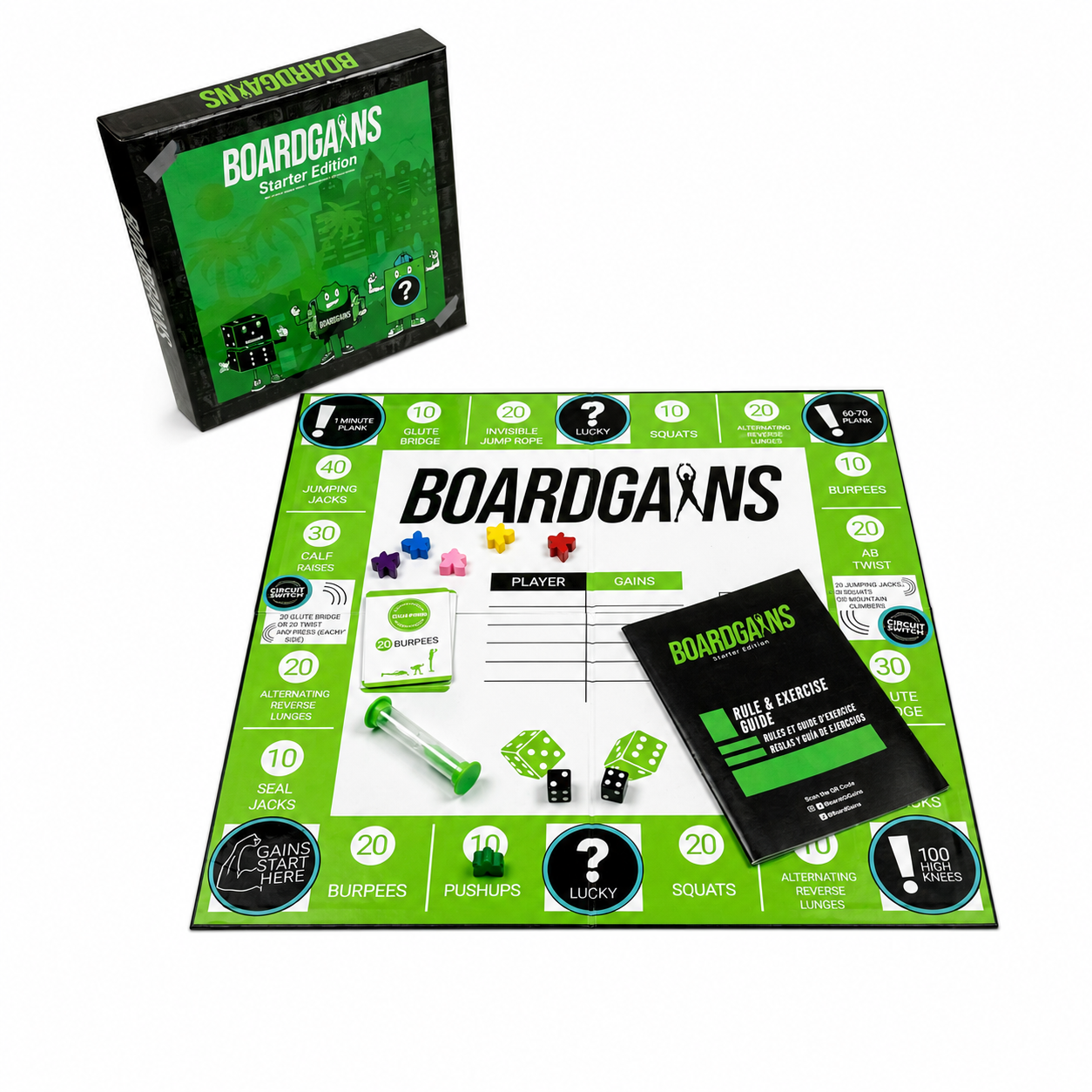
- A quick BoardGains warm-up round
Keep arrivals moving away from driveways, bus lanes, and drop-off traffic before starting.
Ideas to Avoid During the Walk
- Races, timed walking, or prizes for arriving first
- Exercises at stop signs, driveways, or roadside landmarks
- Phone-based step challenges that require children to check screens
- Headphone games or music that blocks traffic sounds
- Scavenger hunts that send children off the planned route
- Points based only on distance or number of steps
- Public charts that reveal a child's home location or usual route
Simple Walk & Roll to School Day Plan
| When | Action |
|---|---|
| 2–4 weeks before | Confirm school approval, routes, permissions, volunteers, accessibility, and emergency plans. |
| 1 week before | Share routes, meeting points, weather plan, clothing guidance, and safety rules with families. |
| Event morning | Check conditions, brief volunteers, take attendance, review rules, and form supervised groups. |
| During the walk | Keep groups together, pause games near traffic, and follow the planned route. |
| At school | Move students into a secure area, record participation, celebrate volunteers, and run the movement activity. |
Make the Event Inclusive
Walking may not be safe, possible, or accessible for every student. The current national event uses the name Walk & Roll to School Day to welcome more forms of active travel.
- Create a shorter supervised route beginning at a safe meeting point.
- Include wheelchairs and mobility devices in route planning.
- Offer a schoolyard or indoor walking-and-rolling route.
- Let students who arrive by bus or car join the finish-line celebration.
- Use participation recognition instead of distance rankings.
- Provide visual instructions and quiet-group options.
- Ask families what support their child needs rather than guessing.
Continue the Movement in PE Class
Turn the morning event into a PE lesson about safe movement, teamwork, and active transportation. Students can map a pretend route inside the gym, practise crossing decisions away from real traffic, or finish with a team fitness game.
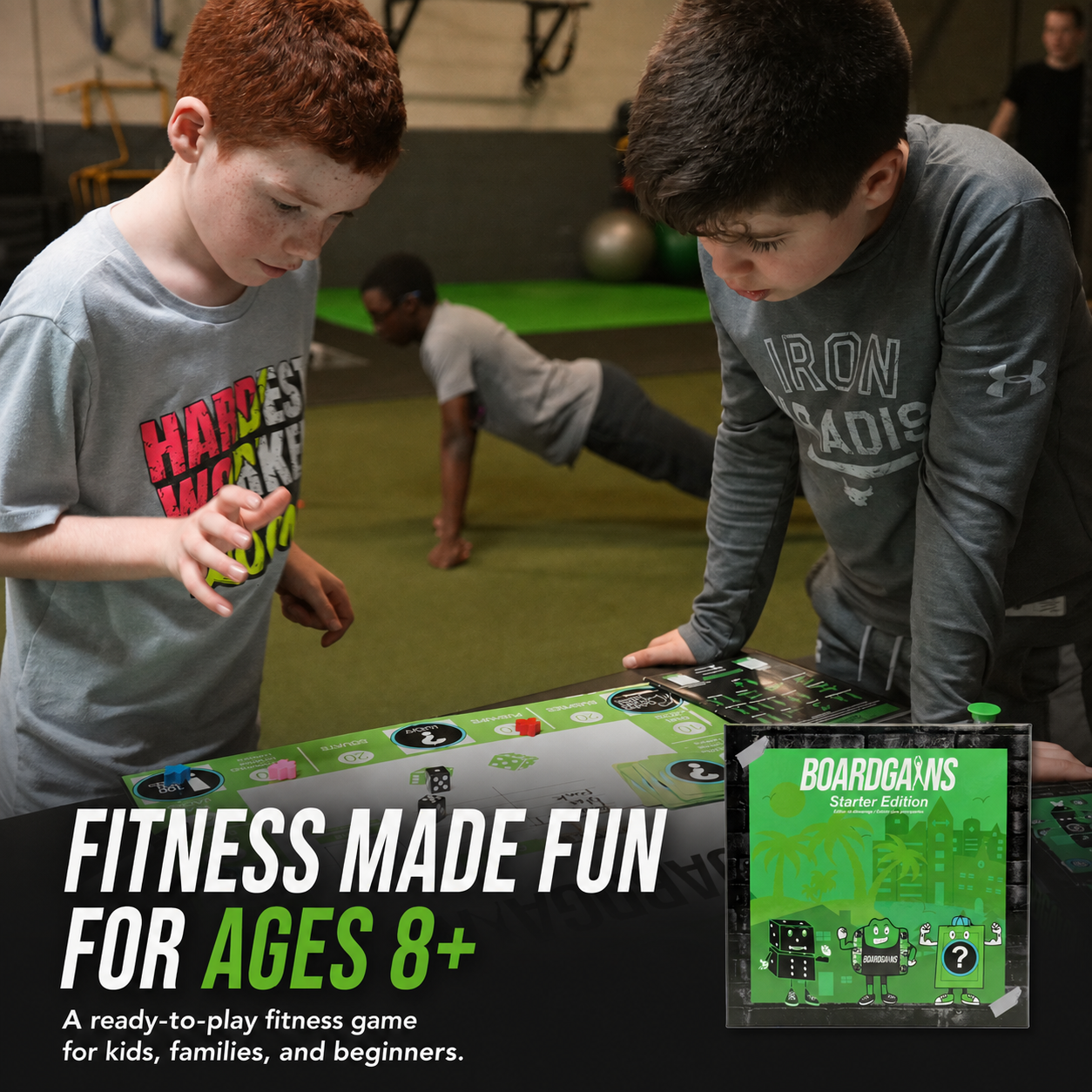
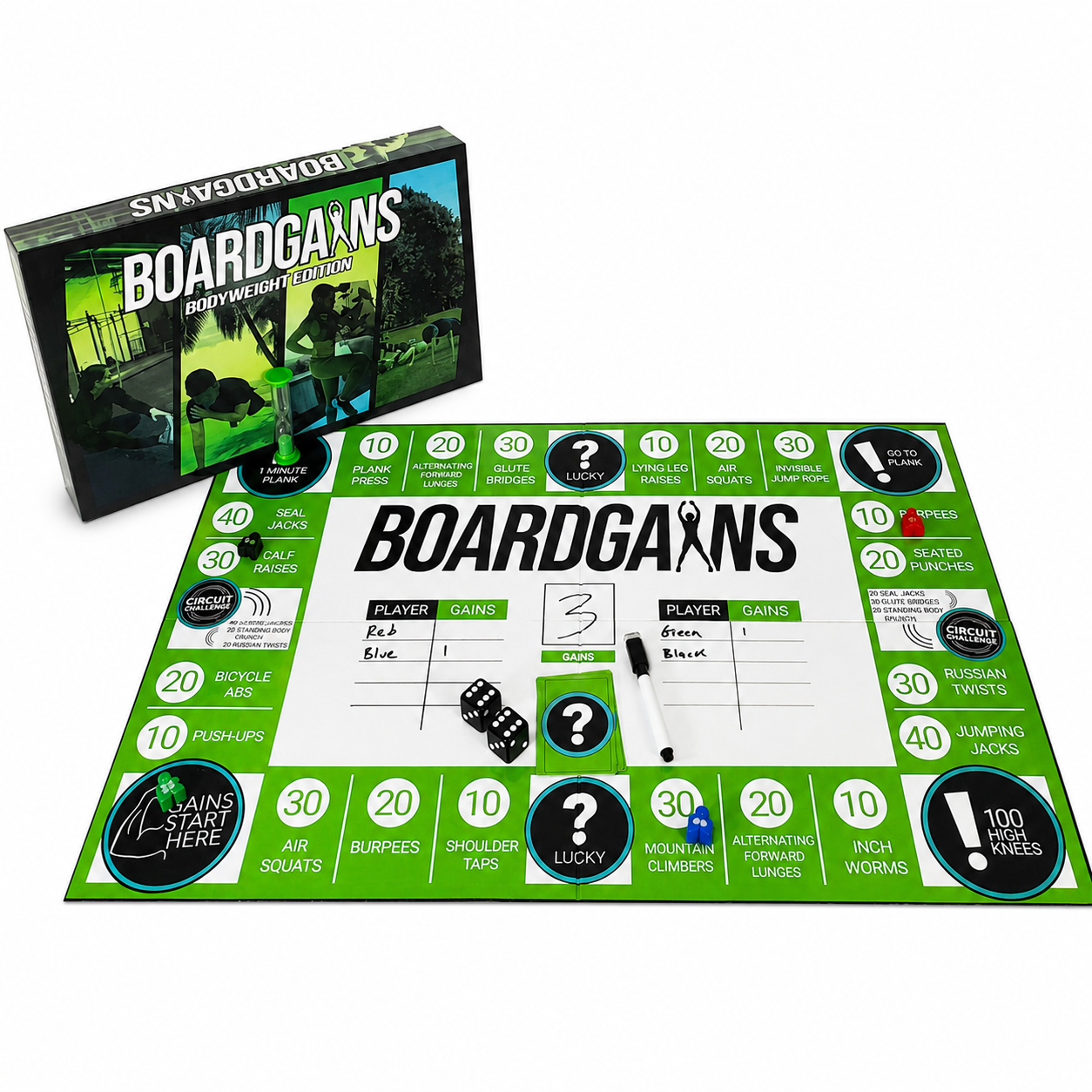
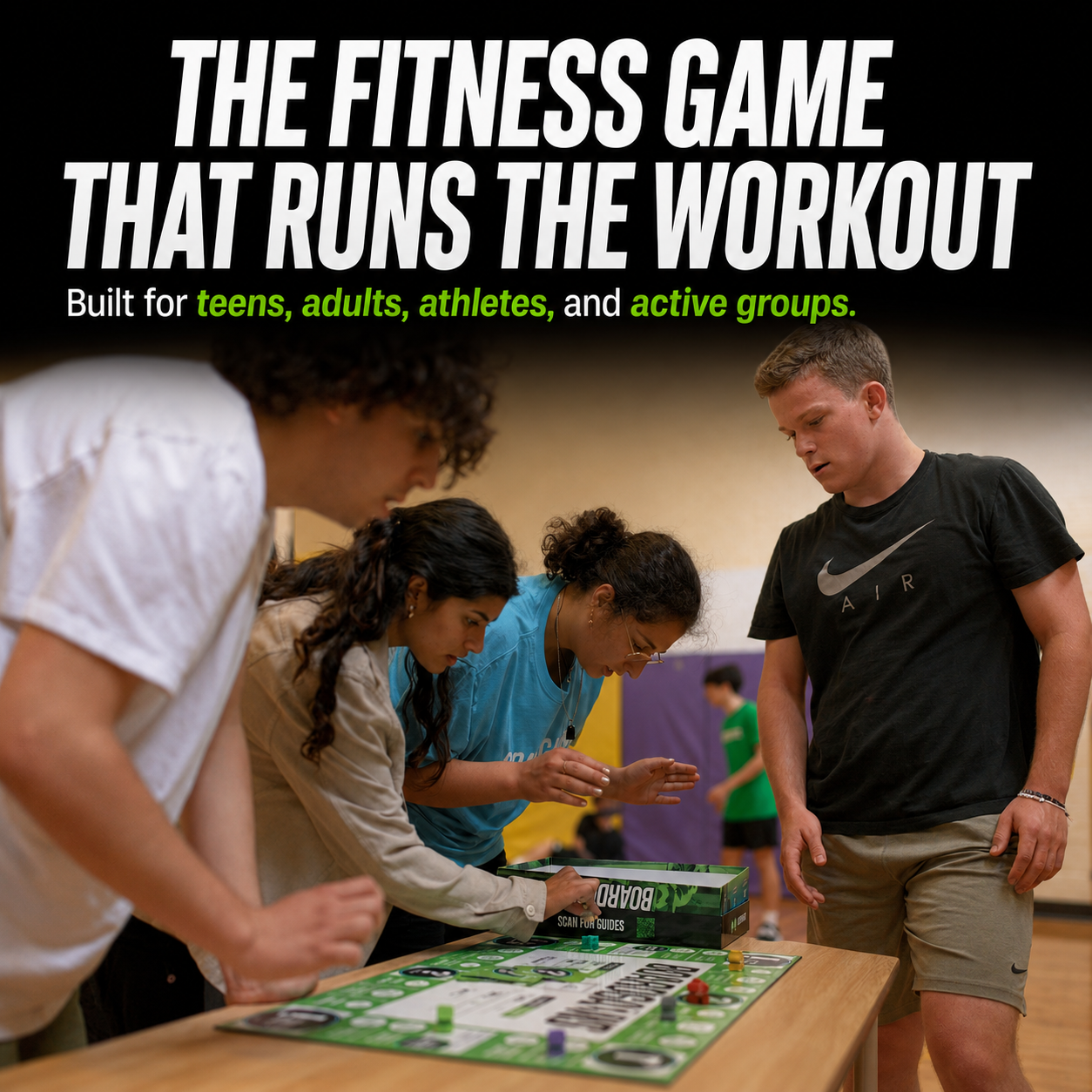
BoardGains can run the celebration workout once students are inside a secure activity area. Set a short Gains Goal, review the exercises, start teams together, and let the board guide the workout.
Explore BoardGains for Schools →
Frequently Asked Questions
When is Walk & Roll to School Day in 2026?
The national event is Wednesday, October 7, 2026.
Why is it now called Walk & Roll to School Day?
The updated name welcomes children who walk or use bikes, scooters, wheelchairs, and other ways of rolling, depending on local rules and safe-route planning.
How can schools make the event safer?
Plan routes in advance, choose sidewalks and protected paths, limit difficult crossings, recruit trained adult volunteers, communicate with families, and prepare weather and emergency plans.
What is a walking school bus?
It is a supervised group of children walking to school together along a planned route, often with set meeting points and adult leaders.
Should children count steps during the trip?
Step totals may be reviewed after arrival, but children should not check phones or devices while walking. Participation is a fairer school goal than ranking distance.
Can students complete exercises along the route?
It is safer to save exercises for a secure schoolyard, gym, or park area away from traffic. Road crossings and adult instructions require full attention.
What if a child cannot walk to school?
Offer shorter meeting-point routes, accessible rolling options, an indoor route, or the finish-line movement celebration. No student should be excluded because of distance, disability, transportation, or route safety.
What happens if the weather is unsafe?
Follow school and local safety procedures. Delay, change, or move the event indoors when weather, air quality, visibility, or surfaces make travel unsafe.
Make Every Safe Step Feel Like a Win
The best Walk & Roll to School Day game does not make children move faster. It helps them notice their community, connect with others, and practise safe active travel.
Plan the route first, keep games away from traffic decisions, and make participation flexible. Then celebrate the group once everyone reaches school safely.
Keep the Movement Going
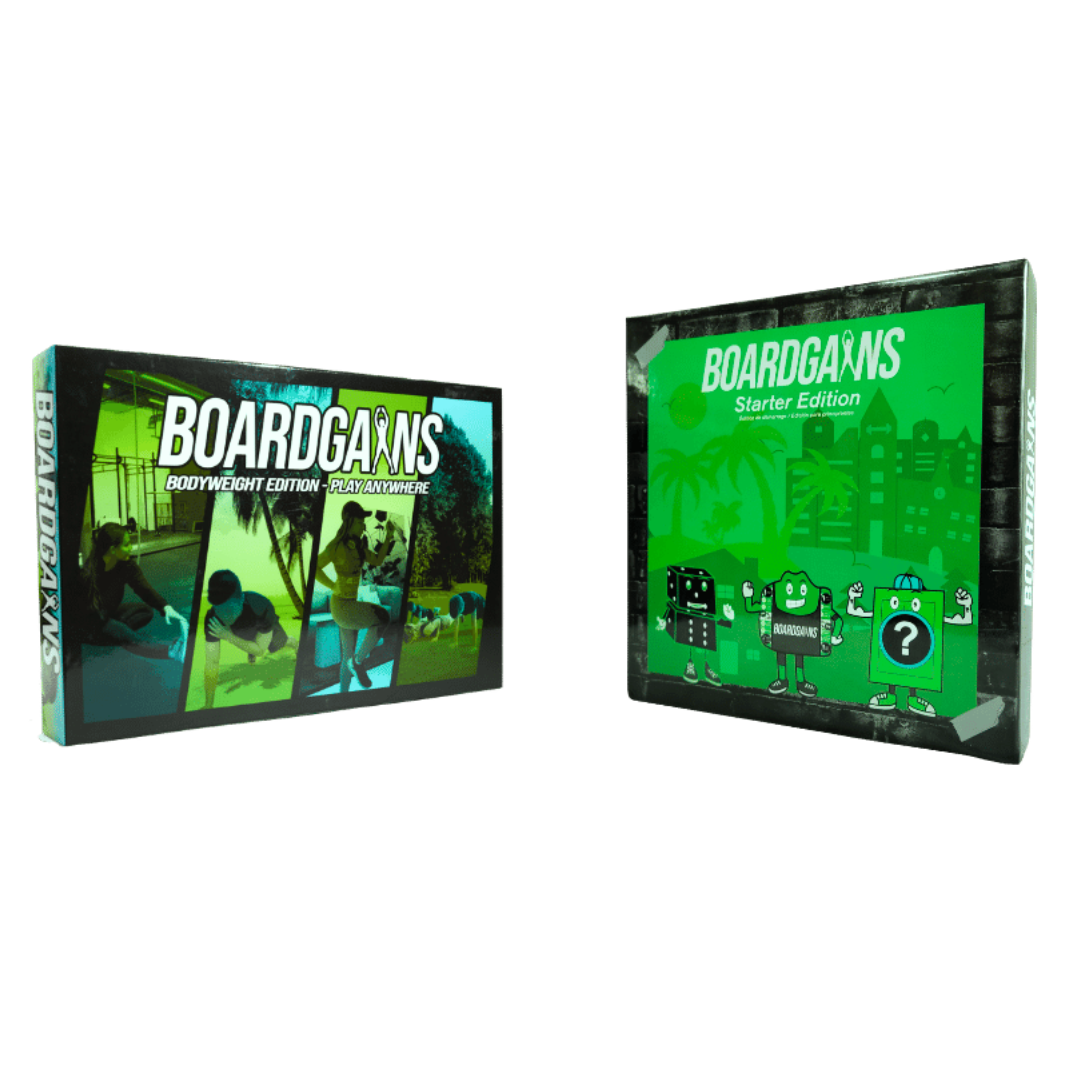
After the walk, turn PE into play with a BoardGains bodyweight fitness game. Set the Gains Goal, roll the dice, complete the exercises, and let every team move together.
Official Planning Resources
- Walk & Bike to School: National Event Information
- Walk & Bike to School: Safety First
- Walk & Bike to School: Getting Started Guide
About the Author: Eric Mathura holds a B.Sc. in Kinesiology and has more than 10 years of experience as a personal trainer and group fitness instructor. He created BoardGains to make fitness more fun, social, and engaging for every group.
Updated August 2026.


Leave a comment
This site is protected by hCaptcha and the hCaptcha Privacy Policy and Terms of Service apply.